




By The Columbia Chronicle
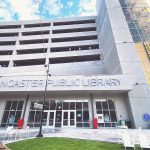
Lancaster County voters will be asked this November whether they support a new dedicated property tax to fund public libraries throughout the county. The referendum would establish a library tax of 0.55 mills on taxable real estate, which supporters say would provide a stable and predictable source of funding for local libraries.
Under the proposal, a homeowner with a property assessed at $100,000 would pay approximately $55 annually, while a property assessed at $200,000 would see an annual tax increase of about $110. The measure is scheduled to appear on the November 3 ballot.
Supporters of the referendum argue that libraries have struggled with uncertain funding for years and that a dedicated tax would allow them to better plan for the future. They point out that public libraries today offer far more than books, including internet access, workforce development programs, children’s educational services, community programming, digital resources, and technology access.
The proposed funding would support countywide library services, including shared technology infrastructure and library network services, while also providing funding to individual libraries throughout the county. Supporters say the dedicated tax would prevent library funding from fluctuating due to changing municipal budgets or economic conditions.
However, the measure has also generated significant discussion among local taxpayers who are already facing rising costs for housing, utilities, groceries, and property taxes. Opponents argue that while libraries provide valuable services, many families simply cannot afford another tax increase.
Notably, both Tom Jones, a Republican state representative, and James Malone, a Democratic state senator, have publicly stated they intend to vote against the referendum. While coming from different political parties, both have expressed concerns about increasing the tax burden on Lancaster County residents. Malone stated that although he supports libraries and acknowledges they are underfunded, he does not believe now is the right time for an additional tax increase.
For residents of Columbia Borough, another question continues to surface: what exactly will Columbia taxpayers receive in return for the additional tax?
While proponents have outlined how funds would be distributed between countywide library services and local libraries, many residents are seeking specific answers regarding how much funding would ultimately benefit the Columbia Public Library and how much revenue would be generated from Columbia taxpayers. Those figures have become a focal point of discussion as Election Day approaches.
The debate has highlighted a broader question facing communities across Lancaster County: should public libraries receive a dedicated funding stream through a voter-approved property tax, or should funding continue to come from the combination of local government support, state funding, grants, donations, and fundraising efforts that currently sustain many libraries?
The Library System of Lancaster County has stated that it is maintaining a neutral position regarding the referendum while voters consider the proposal.
Regardless of where residents stand on the issue, the referendum is likely to become one of the most closely watched ballot questions in Lancaster County this fall. As Election Day approaches, voters will ultimately decide whether a dedicated library tax is the right path forward or whether additional funding should be found through other means.