





COLUMBIA, Pa. — Columbia Borough Council took an early step toward a potential expansion of senior housing in the borough Tuesday night by approving a memorandum of understanding (MOU) with Columbia Catholic Housing, allowing planning efforts for a future development project to continue.
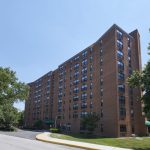
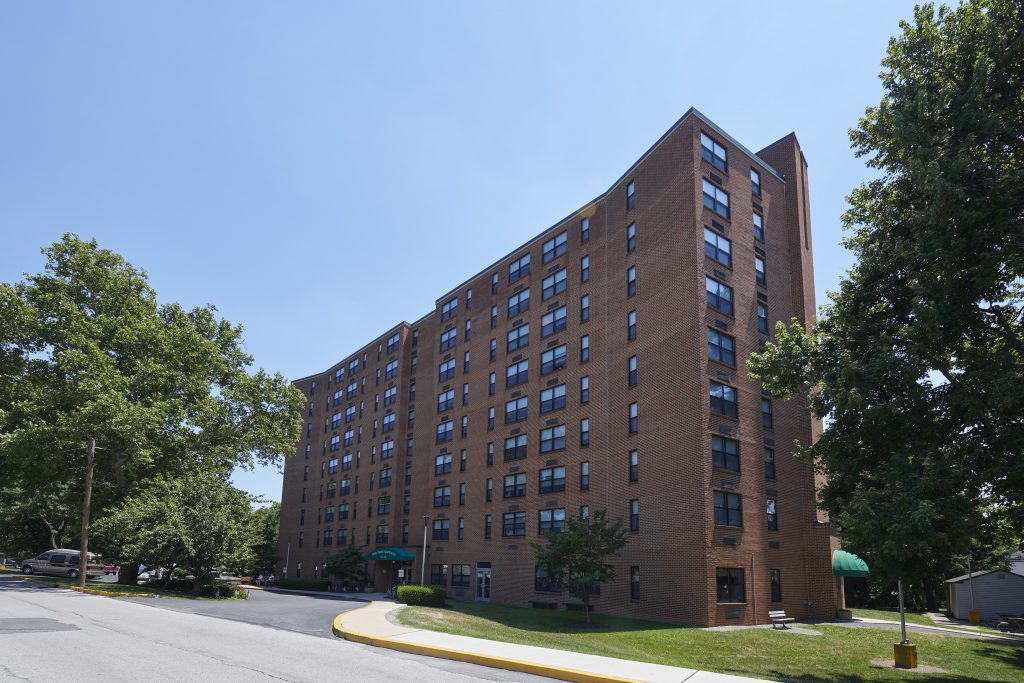
The proposal centers on the possible expansion of Trinity House and includes discussions about the future use of a portion of Mill Street and nearby property to accommodate additional housing units and parking. Borough officials emphasized that the approval does not authorize construction or permanently close any streets, but instead signals a willingness to continue exploring the project through the formal land development process.
Council members spent considerable time discussing what the agreement actually means and what future approvals would still be required before the project could move forward.
What Council Approved
The memorandum of understanding outlines a cooperative relationship between the borough and Columbia Catholic Housing as the organization continues planning for a potential expansion project. Borough officials described the document as non-binding and intended primarily to provide assurance that both parties are willing to continue discussions.
According to borough representatives, the document does not obligate council to approve future plans and does not guarantee that any street vacations or land development requests will ultimately be granted.
“You’re not legally binding to anything that is in here,” borough officials explained during the discussion. “We’re going to work towards this end goal with you and we have an understanding of what that land development process is maybe going to look like.”
Additional Senior Housing Proposed
The project under discussion would add another senior housing building associated with the existing Trinity House complex. Council members noted that expanding the facility would increase the number of housing units available for older residents while also creating additional parking requirements.
Officials explained that one concept previously presented to council involved utilizing an existing parking area for the new building and creating replacement parking elsewhere on the property. As part of that proposal, a portion of Mill Street could potentially be incorporated into the site’s parking and circulation plan.
“The whole point is to build another high-rise building to expand the number of units for the elderly,” one council member explained during the discussion.
Concerns Raised About Street Access
Not all discussion focused on the housing expansion itself.
Several council members questioned how any future changes to Mill Street could affect nearby businesses and traffic patterns. Particular attention was given to Clean Right, a local business that utilizes the area for vehicle access and operations.
Council members asked whether company representatives had been consulted and expressed concern about ensuring that neighboring property owners have an opportunity to provide feedback before any final decisions are made.
“I would like a blessing before we approve this,” one council member said, referring to discussions with affected businesses and property owners.
Officials responded that conversations had already begun but acknowledged that additional discussions would likely occur as the project progresses.
Multiple Approvals Still Required
Borough officials repeatedly stressed that the project remains in its early stages.
Before any construction could take place, Columbia Catholic Housing would need to submit formal land development plans, complete reviews by borough staff and planning bodies, address comments from neighboring property owners, and potentially seek approval related to any proposed street vacation.
The borough’s solicitor noted that the MOU simply allows the project team to continue investing time and money into design and planning without fear that the borough is fundamentally opposed to exploring the concept.
“It’s a written document that says we’re going to work towards this end goal with you,” officials said. “It gives them the ability to go to other people they may need to discuss with and say the borough has given us this document.”
Officials added that because financing institutions often want evidence that municipalities are willing to consider a project, documents such as memorandums of understanding can play an important role during the planning phase.
Council Votes to Move Forward
After discussion and clarification from borough staff and legal counsel, council voted to approve the memorandum of understanding, allowing the planning process to continue.
While many details remain unresolved, the vote represents a significant early milestone for a project that could increase affordable senior housing opportunities in Columbia. Borough officials said residents will have additional opportunities to review and comment on the proposal if and when formal development plans are submitted.
For now, council’s action signals support for continued exploration of the project while preserving the borough’s ability to evaluate the final proposal through its normal public review process.