



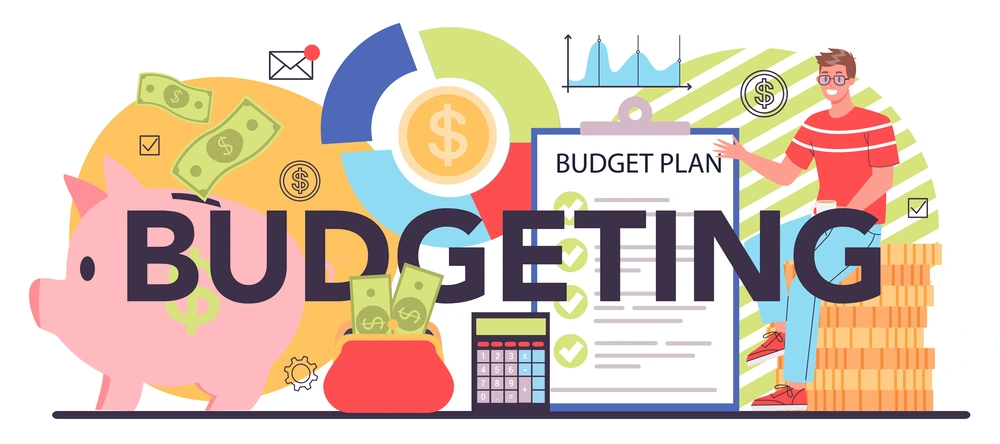
COLUMBIA, Pa. — As Columbia Borough officials begin preparing next year’s budget, council members are warning that difficult financial decisions lie ahead. During Tuesday night’s Borough Council meeting, several officials stressed the need to establish clear priorities as the borough faces limited financial flexibility and increasing demands on municipal resources.
The budget discussion emerged during council comments near the end of the meeting, where officials expressed concern about balancing community needs with the realities of the borough’s finances. While residents continue to request improvements ranging from pedestrian safety enhancements to ordinance updates and communication tools, council members emphasized that not every project can be funded at once.
One council member argued that before the borough can effectively build a budget, elected officials must first decide what their priorities are for the coming year.
“We’ve not done for this year any sort of goal setting,” the council member said, noting that staff need direction about where the borough wants to focus its efforts.
The discussion highlighted a challenge familiar to municipalities across Pennsylvania: community expectations often exceed available resources. Council members said establishing priorities will help borough staff allocate money and personnel toward projects that have the greatest impact.
Cost of Improvements Adds Up Quickly
A significant portion of the discussion focused on the true cost of infrastructure projects, particularly those connected to pedestrian safety.
Officials revealed that installing high-visibility “piano key” crosswalk markings costs approximately $1,000 for a single curb-to-curb crossing. At a standard four-way intersection, that means a full upgrade could cost around $4,000 before considering other improvements such as signage, signal modifications, or engineering studies.
Council members said those figures illustrate why budgeting requires careful planning.
“It’s one thing for us to sit here and say we want all of these intersections to have piano key crosswalks,” one official explained. “But what does that cost?”
The same concern extends to other community requests. Council discussed examples ranging from ordinance revisions to new communication platforms, noting that even relatively simple changes can generate significant legal, administrative, and staffing costs.
Balancing Needs, Wants, and Priorities
Throughout the conversation, council members emphasized the importance of separating essential operational expenses from desired improvements.
Officials noted that next year’s budget must first address unavoidable costs such as employee wages, contractual obligations, insurance, utilities, and healthcare expenses before discretionary projects can be considered.
One council member described the process as distinguishing between “must haves,” “need to haves,” and a community “wish list.”
Only after the borough understands its required operating expenses, officials said, can council realistically assess what additional projects can be afforded.
Concerns About Financial Reserves
Several council members voiced concern about the borough’s overall financial position.
While no immediate crisis was discussed, officials acknowledged that the borough does not have the same level of financial reserves available as in previous years. The conversation reflected a growing awareness that future spending decisions may require greater discipline and more strategic planning.
One council member noted that council can no longer assume reserve funds will be available to support additional initiatives if costs exceed expectations.
That reality is influencing discussions about everything from pedestrian safety projects to broader municipal operations.
Budget as a Reflection of Community Values
Council members described the annual budget as more than a financial document.
According to officials, a well-constructed municipal budget should reflect the borough’s policy priorities and communicate to residents what council believes is most important. Whether the focus becomes public safety, infrastructure improvements, economic development, code enforcement, or recreational investments, the budget ultimately determines where the borough’s limited resources are directed.
“You should be able to look at a municipality’s budget and know what their priorities are,” one council member said.
The discussion underscored the need for greater coordination between council and staff as budget development progresses in the coming months.
Delayed Budget Meeting
Adding to the challenge, borough officials announced that a scheduled budget meeting later this month has been canceled because key financial information has not yet been received. According to borough management, the municipality is still waiting for updated insurance figures and tax-related information needed to complete budgeting projections.
Additional budget meetings remain on the borough’s schedule and are expected to continue once the necessary information becomes available.
Looking Ahead
Although pedestrian safety discussions dominated much of Tuesday’s meeting, the budget conversation served as a reminder that every proposed improvement comes with a price tag.
As Columbia heads into the 2027 budget season, borough leaders appear focused on determining which projects can realistically move forward and which may need to wait. With limited resources and growing community expectations, council members made it clear that setting priorities will be one of their most important responsibilities in the months ahead.
For residents, the upcoming budget process may ultimately answer a larger question: what does Columbia want to invest in most as it plans for the future?