








By The Columbia Chronicle Staff
A sweeping proposal from Pennsylvania’s Department of Health is generating significant debate among residents, lawmakers, parents, healthcare professionals, and privacy advocates across the Commonwealth.
The proposed regulation, known as Rulemaking #10-242, would represent one of the most substantial updates to Pennsylvania’s disease-control regulations in decades. State health officials say the changes are intended to modernize public health policies, improve disease surveillance, and better prepare Pennsylvania for future public health emergencies.
Supporters view the proposal as a necessary update to an outdated system. Critics see it as a dramatic expansion of government authority that could affect privacy rights, parental involvement, and personal freedoms.
Why Supporters Say the Regulations Are Needed
Proponents argue that Pennsylvania’s current disease-control regulations were written for a different era and do not adequately address modern public health challenges.
One significant proposal would require hospitals to report emergency room visit information much more quickly. Supporters say near real-time reporting could allow health officials to identify outbreaks sooner, track disease trends more effectively, and respond to public health threats before they spread widely.
The regulations would also require healthcare providers to report vaccinations to a statewide database unless patients specifically opt out. Advocates argue this could improve record keeping, reduce duplicate vaccinations, help healthcare providers verify immunization histories, and ensure vulnerable populations receive appropriate protection against preventable diseases.
Supporters further contend that the COVID-19 pandemic exposed shortcomings in the state’s ability to collect and analyze health data quickly. Many public health experts believe stronger reporting systems could help Pennsylvania respond more effectively to future outbreaks, whether they involve influenza, measles, emerging viruses, or other health threats.
In short, those in favor of the proposal believe the primary goal is not government control but improved public health preparedness.
Why Critics Are Raising Red Flags
While many agree that protecting public health is important, opponents argue that parts of the proposal extend far beyond disease monitoring.
Among the most controversial provisions are sections that would allow health investigators to enter various locations, including schools, apartment buildings, healthcare facilities, and other sites as part of disease investigations. Critics worry the language is too broad and grants excessive authority to government agencies.
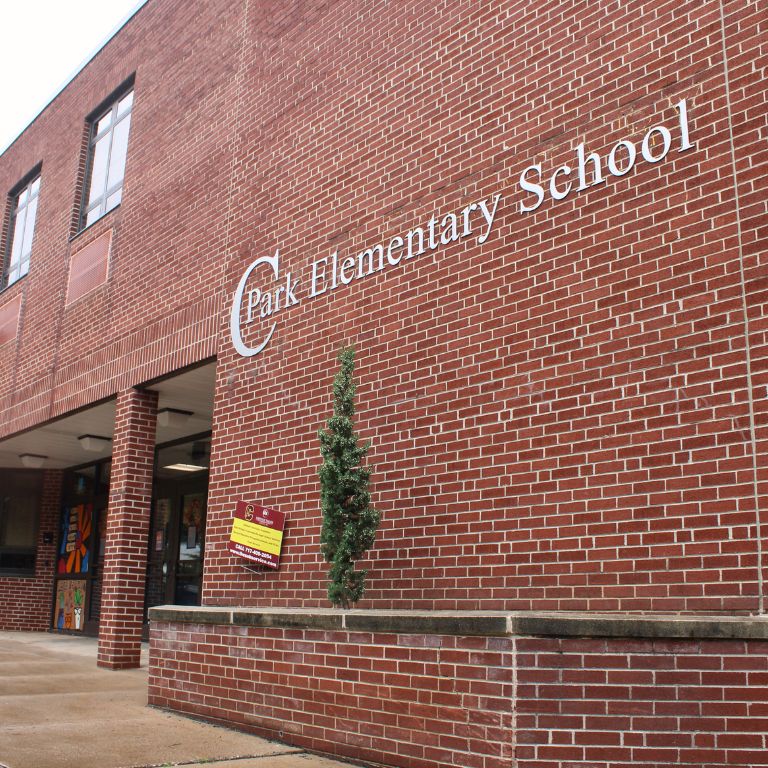
Another major concern involves schools. The proposal would permit health officials conducting disease investigations or contact tracing efforts to speak privately with students during school hours. Critics argue that parents should be notified whenever government officials seek private access to their children and that parental involvement should remain a fundamental right.
Privacy advocates have also expressed concern regarding expanded reporting requirements. The proposal would increase the amount of health information submitted to government databases, raising questions about data security, confidentiality, and potential misuse of personal medical information.
For many Pennsylvanians, memories of the COVID-19 pandemic remain fresh. Some opponents believe portions of the proposal could pave the way for future mask mandates or similar public health measures without direct legislative approval. As a result, the discussion has become as much about government authority as it is about public health.
The Legislative Debate
Beyond the individual provisions themselves, many critics object to the process being used.
Rather than pursuing changes through the General Assembly, the Department of Health is utilizing Pennsylvania’s regulatory process. Opponents argue that regulations affecting virtually every resident should receive full legislative debate and public hearings before elected representatives vote on them.
Supporters counter that regulatory updates are a normal function of state agencies and that the public comment process provides citizens with an opportunity to review and influence the final outcome.
The proposal is not currently law and must still move through Pennsylvania’s regulatory review process before any changes take effect.
A Local Perspective
State Rep. Brett Miller, who represents Columbia and much of Lancaster County’s 41st Legislative District, had not publicly released a formal position on the proposal at the time of publication.
As a former school counselor and current state legislator, Miller’s views may be of particular interest to local residents given that several provisions directly affect schools, students, families, and healthcare providers. Constituents on both sides of the issue may look to their elected representatives for guidance as the review process continues.
Finding the Right Balance
At its core, the debate surrounding these regulations highlights a challenge that has become increasingly common in modern government: balancing public safety with individual liberty.
Most Pennsylvanians agree that disease outbreaks should be detected quickly and that public health agencies should have the tools necessary to protect communities. At the same time, many residents believe that privacy rights, parental rights, and government accountability are equally important.
Whether residents view the proposal as a sensible modernization effort or an example of government overreach, there is little disagreement on one point: the regulations could have far-reaching effects on healthcare, education, and personal privacy throughout Pennsylvania.
For that reason alone, public participation in the review process may be more important than ever.
The public comment period remains open through September 21, giving Pennsylvanians an opportunity to voice their support, concerns, or recommendations before a final decision is made.