






By The Columbia Chronicle
On September 24, Columbia Borough Council will gather for what may become one of the most significant planning discussions the community has faced in years.
The topic is not a specific development application, nor is it a vote to approve a data center. Instead, council will review and discuss a sweeping proposed ordinance designed to establish the rules that would govern any future data center development within the borough.
With growing public speculation about potential interest in former industrial properties and redevelopment sites throughout Columbia, the meeting comes at a pivotal moment. The proposed ordinance would create an entirely new regulatory framework for one of the fastest-growing industries in the world while attempting to answer an increasingly important question:
If a major technology company or data center developer comes to Columbia, what conditions should they be required to meet?
A New Industry, New Rules
Data centers have become the backbone of the modern economy.
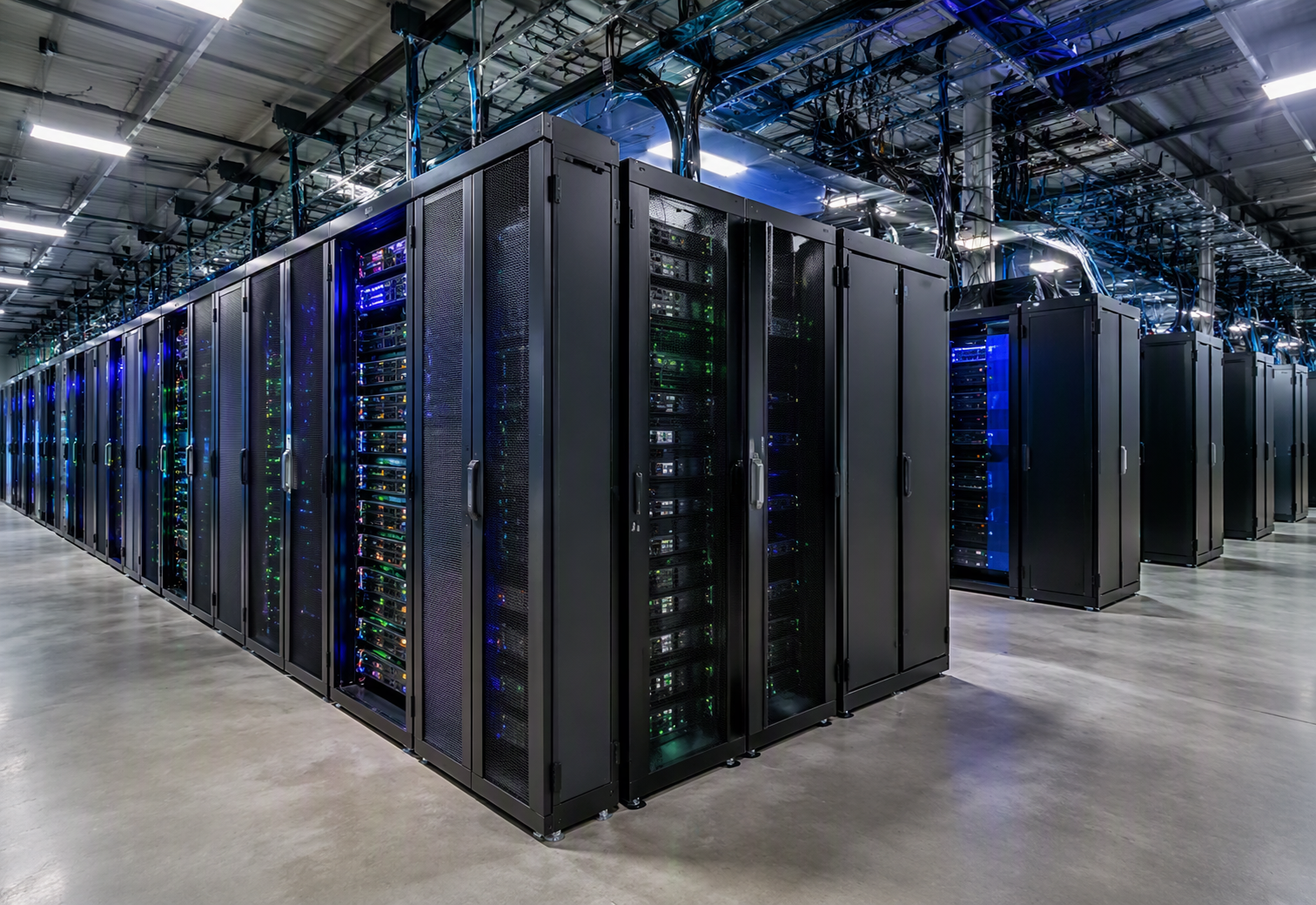
Every online search, cloud storage account, social media platform, streaming service, artificial intelligence system, and business network depends on facilities that store and process enormous amounts of data.
Communities across Pennsylvania and the nation have found themselves grappling with the opportunities and challenges these facilities present. Supporters point to investment, construction jobs, tax revenue, and long-term economic growth. Critics often raise concerns about energy consumption, water usage, noise, environmental impacts, and the visual effect of large industrial-scale buildings.
Columbia’s proposed ordinance appears to represent an effort to establish guardrails before any major project arrives.
Rather than banning data centers, the proposal would allow them under a Special Exception process in designated business and industrial districts. That means any future proposal would face multiple layers of review and would need to satisfy extensive performance standards before receiving approval.
Protecting Neighborhoods
One of the most striking aspects of the ordinance is its emphasis on protecting nearby residents and community institutions.
The proposal creates a category known as “Sensitive Receptors,” which includes residences, schools, daycare facilities, hospitals, nursing homes, places of worship, parks, community centers, and similar locations where noise or other impacts could be especially significant.
New data centers would be required to meet strict noise standards and could be compelled to install barriers or mitigation measures if deemed necessary by borough officials.
The ordinance also establishes substantial setbacks from neighboring properties, helping create separation between data center operations and surrounding land uses.
For residents concerned about quality-of-life issues, these provisions could become some of the most important parts of the discussion.
Massive Buffers and Landscaping Requirements
Anyone imagining a giant industrial building towering over adjacent neighborhoods may be surprised by the breadth of the ordinance’s screening requirements.
Projects would be required to provide extensive buffer zones that could range from 100 feet to 200 feet depending on the size of the facility and its proximity to homes, schools, parks, churches, and other sensitive areas.
These buffers would not simply be empty space.
Developers would be required to install significant landscaping, including evergreen trees, shade trees, ornamental trees, shrubs, earthen berms, and visual screening designed to soften the appearance of large structures.
The goal appears straightforward: if Columbia ever hosts a data center, borough officials want surrounding neighborhoods largely shielded from it.
Addressing Power Concerns
Perhaps no issue has generated more national discussion regarding data centers than electricity.
Modern facilities require tremendous amounts of power to operate servers, cooling systems, and backup equipment.
The proposed ordinance directly addresses those concerns by requiring developers to demonstrate that adequate electrical capacity exists and that service to existing customers will not be negatively impacted.
Developers would also need to verify that supporting infrastructure can safely accommodate a project’s demands.
The ordinance encourages the use of on-site power generation and microgrid technologies while requiring certain categories of electrical infrastructure to be buried underground.
For residents worried about whether local infrastructure could support large-scale data operations, these requirements provide additional layers of scrutiny before a project could move forward.
Water Usage Under Review
Water consumption has emerged as another major issue surrounding data centers nationwide.
Cooling systems often require substantial amounts of water depending on the technology being used.
Columbia’s proposed ordinance encourages the use of closed-loop systems designed to reduce consumption while requiring extensive review of larger water demands.
Developers would need to identify water sources, analyze their usage needs, and obtain necessary approvals from outside regulatory agencies when applicable.
The proposal’s emphasis on water planning suggests borough officials are attempting to address concerns before they become problems.
Environmental and Community Impact Studies
The ordinance goes beyond traditional zoning regulations.
Before approval could be granted, developers would be required to conduct detailed environmental analyses examining potential impacts on air quality, stormwater, traffic, noise, municipal services, and natural resources.
Applicants would also be required to evaluate how a project aligns with local and county planning goals.
Perhaps even more notable is a requirement that developers enter into a Community Benefits Agreement before final approval.
Potential subjects could include emergency service support, clean-energy commitments, utility-assistance programs, and other community-focused initiatives.
In an era when many residents demand tangible public benefits from large-scale development projects, this provision may generate significant discussion.
Environmental Stewardship Takes Center Stage
The proposal contains numerous environmental provisions not commonly associated with traditional industrial development regulations.
Developers would be encouraged to preserve existing trees, minimize land disturbance, implement energy-efficient designs, protect waterways, and utilize sustainable construction practices.
Projects near streams, wetlands, and other water resources would face additional protections through extensive riparian buffer requirements.
Large facilities could also be required to install rooftop solar systems, while all data center buildings would be expected to be solar-ready.
Taken together, these sections suggest council is attempting to balance economic opportunity with long-term environmental responsibility.
A Conversation About Columbia’s Future
As public interest continues to grow, it is important to understand what the September 24 meeting is and what it is not.
It is not a vote on a specific development proposal.
It is not a decision to bring a data center to Columbia.
It is not a final approval for any project.
Instead, the meeting represents the beginning of a broader conversation about what standards the borough should establish before such a proposal arrives.
Whether residents support future data center development, oppose it entirely, or remain undecided, the discussion will likely shape Columbia’s approach to economic development for years to come.
The stakes extend far beyond a single ordinance.
At its heart, the debate centers on how Columbia balances growth, environmental stewardship, infrastructure demands, neighborhood protections, and economic opportunity in a rapidly changing technological world.
On September 24, borough leaders and residents will have an opportunity to begin answering that question together.