





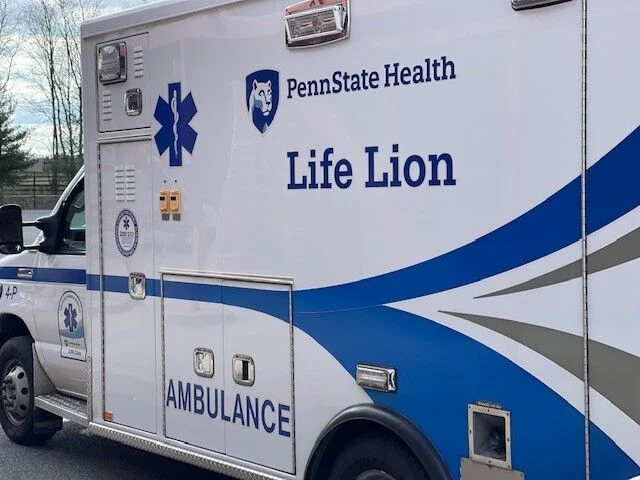
COLUMBIA, Pa. — Columbia Borough Council voted Tuesday night to participate in a six-month emergency medical services pilot program designed to improve ambulance availability while helping emergency responders better manage limited resources. The initiative, known as the Alternative Dispatch Pilot Program, will be conducted in partnership with Penn State Health Life Lion and Lancaster County emergency dispatch officials.
The program focuses on how certain lower-priority medical calls are handled, with the goal of ensuring that advanced emergency medical resources remain available for the most serious emergencies. Borough officials stressed that residents experiencing life-threatening situations should not expect delays in response under the new system.
According to council discussions, emergency calls are already categorized by dispatchers into different priority levels. Under the pilot, the most urgent calls, classified as Priority One and Priority Two emergencies, will continue to receive the same immediate response they currently do. The changes primarily affect lower-priority “Code Three” calls, which may be routed differently depending on available resources.
Officials explained that the pilot will allow less urgent medical calls to be handled by alternative responders when appropriate, potentially freeing up advanced life-support units for critical emergencies such as heart attacks, strokes, or major accidents.
Council members spent considerable time discussing how the system would work and whether residents could face lengthy waits for medical assistance.
Borough representatives emphasized that the pilot does not automatically add a 15-minute delay to every lower-priority call. Instead, dispatchers may allow up to a 15-minute window for an alternative responder to accept the call before assigning additional resources. If a suitable responder is immediately available, service would be dispatched without delay.
“It wouldn’t necessarily be 15 minutes,” officials explained during the meeting. “If another vehicle was available, they would send it right away.”
Supporters of the pilot argued that the change could help address a common challenge facing Columbia and many other communities across Lancaster County.
Council members noted that when local ambulance crews transport patients to hospitals such as Lancaster General or Penn State Health facilities, those ambulances often become tied up responding to additional calls elsewhere in the county before returning home. As a result, Columbia occasionally finds itself with fewer local resources available than residents might expect.
Advocates for the pilot believe the new system may improve the chances of keeping emergency units available closer to Columbia by reserving advanced crews for the highest-priority calls.
Council members also learned that similar programs have already been implemented in other Pennsylvania counties, including Dauphin and Cumberland counties. Local officials said early reports suggest the model has been effective in helping agencies better manage growing demand for emergency medical services.
Several council members and residents raised concerns about who decides whether a call is considered serious enough to require an immediate response.
Officials explained that Lancaster County dispatchers already perform medical triage when residents call 911. Dispatchers follow standardized protocols and ask a series of questions designed to determine the severity of the situation before assigning resources. The pilot simply expands how lower-priority calls can be handled, not how emergencies are evaluated.
One resident expressed concern that someone calling for an ambulance may view every medical issue as an emergency.
Officials acknowledged that concern but noted that dispatch centers must balance the needs of every caller simultaneously, ensuring that advanced resources remain available for patients facing life-threatening conditions.
Council also discussed accountability measures built into the pilot.
Performance reviews will be conducted after one month, three months, and six months to determine whether the program is meeting its goals. Borough officials emphasized that Columbia is not locked into the arrangement and could withdraw from participation if significant problems emerge.
“We’re not locked into this for the duration of our contract,” officials told council. “This is definitely a trial period.”
Another point raised during the discussion involved cost.
Council members confirmed that the pilot program does not require Columbia to contribute additional funding and is being implemented as an operational test rather than a new municipal expense. Some officials suggested that if the model proves successful at reducing costs and improving efficiency, it could help limit future financial pressures on local emergency services systems.
Following discussion, council unanimously approved participation in the six-month pilot program.
As emergency medical services continue to face staffing shortages, increased call volumes, and rising costs nationwide, Columbia’s involvement in the pilot reflects a growing effort to find new ways of delivering care while ensuring critical resources remain available when they are needed most. For borough officials, the next six months will provide an opportunity to evaluate whether the approach can improve service without compromising patient care.